

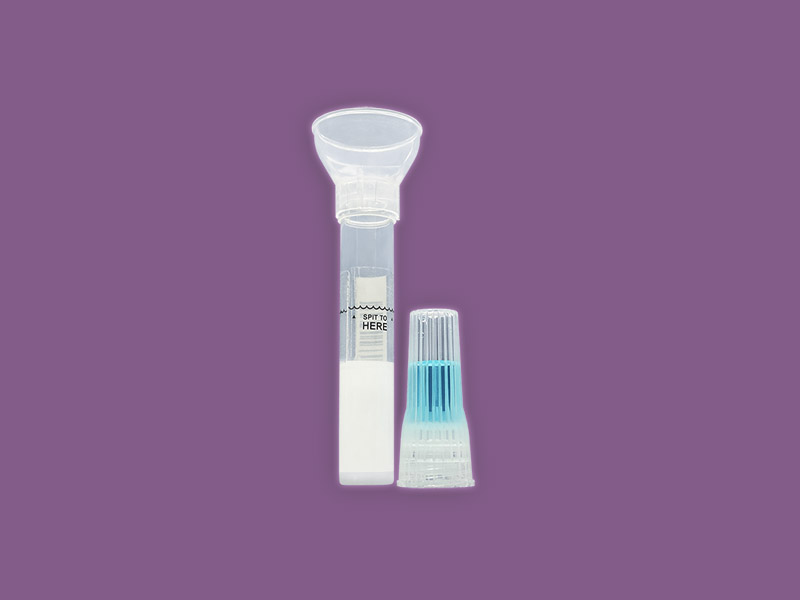
Implant Saliva Test
Implant failure is most often driven by underlying bacterial infection—even when no symptoms are present. This test is designed to detect and address the microbial drivers of peri-implantitis before complications arise. :contentReference[oaicite:0]{index=0}
Key features
- Tests for pathogens associated with peri-implantitis & implant failure. :contentReference[oaicite:1]{index=1}
- Noninvasive saliva sample collection. :contentReference[oaicite:2]{index=2}
- In-device sample storage & transport at room temperature. :contentReference[oaicite:3]{index=3}
- Ideal for both pre-treatment screening and ongoing monitoring. :contentReference[oaicite:4]{index=4}
- Includes Pseudomonas aeruginosa (Pa). :contentReference[oaicite:5]{index=5}
Smarter implant care starts with saliva.
Nearly half of all dental implants show signs of inflammation—often without visible symptoms—so uncovering hidden pathogenic activity early can be critical. :contentReference[oaicite:6]{index=6}
Download Provider Fact SheetImplant Testing Targets
The Implant test screens for eight key microbial targets associated with peri-implantitis and implant failure. :contentReference[oaicite:11]{index=11}
Targets include “Red Complex” organisms, “Orange Complex” organisms, yeast, and Pseudomonas aeruginosa (Pa). :contentReference[oaicite:12]{index=12}
- PgPorphyromonas gingivalis
- TdTreponema denticola
- TfTannerella forsythia
- PiPrevotella intermedia
- FnFusobacterium nucleatum
- FaFusobacterium animalis
- CaCandida albicans
- PaPseudomonas aeruginosa
When to test
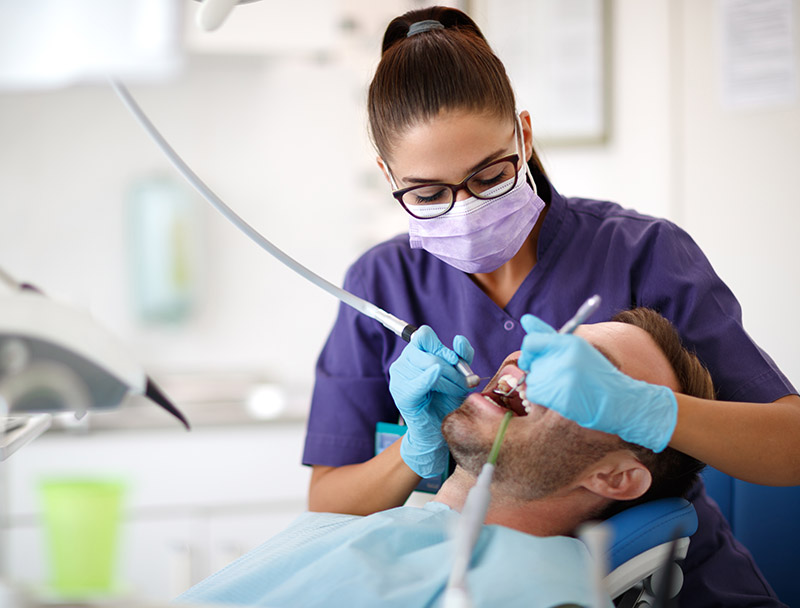
Use the Implant test to support proactive screening and monitoring—especially when risk factors or early signs appear. :contentReference[oaicite:14]{index=14}
- An implant shows early signs of inflammation. :contentReference[oaicite:15]{index=15}
- A patient has bleeding or discomfort around a restoration. :contentReference[oaicite:16]{index=16}
- There’s a history of periodontal disease. :contentReference[oaicite:17]{index=17}
- Monitoring healing post-graft or debridement. :contentReference[oaicite:18]{index=18}
- High-risk patient (smoker, diabetic, poor oral hygiene). :contentReference[oaicite:19]{index=19}
- Confirm readiness before restoring; maintenance visits. :contentReference[oaicite:20]{index=20}
How it works
A simple collection and reporting flow designed for fast clinical decision support. :contentReference[oaicite:21]{index=21}
Collect & ship
Collect 1 mL of patient saliva, place in the postage-paid box, and send to the lab. :contentReference[oaicite:22]{index=22}
Review results
View results via a secure, HIPAA-compliant web portal (with patient-sharing options). :contentReference[oaicite:23]{index=23}
Act & monitor
Evaluate actionable insights, determine next steps, and retest to monitor outcomes. :contentReference[oaicite:24]{index=24}